
*Walks* The first thing I notice as I approach Tide Mills is the openness — sea stretching wide on one side, the Downs rising behind, and the low brick outlines of houses scattered across the grass. It feels quiet, but not empty. More like a place waiting to be remembered.
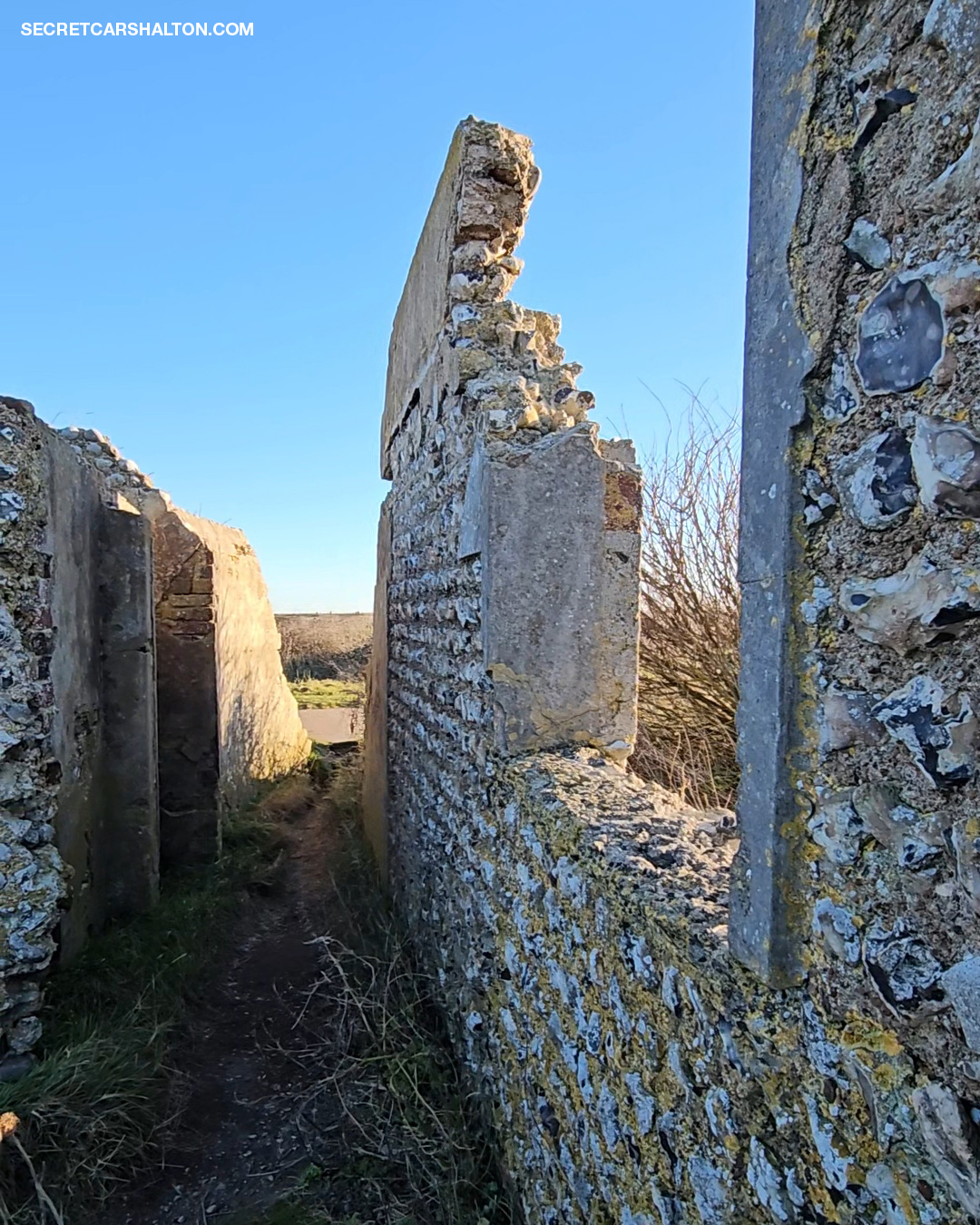
I start along what was once the village street. The cottages are gone, yet their footprints remain. In 1761, this settlement began with the construction of a tidal mill, built to trap seawater in a pond and harness the outgoing tide to grind grain. It must have seemed ingenious — the sea itself turned into a source of power. For decades the mill prospered, and in the early 1800s it expanded under new ownership, bringing more buildings and a growing workforce.
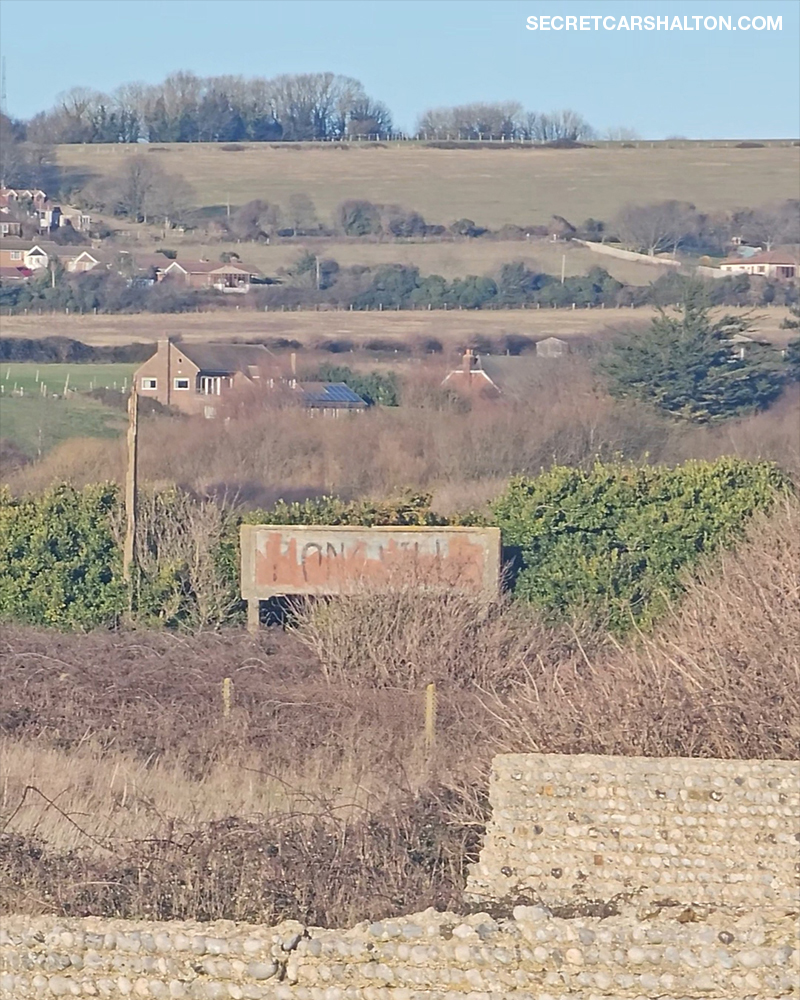
By 1838, a small but ordered village had taken shape: rows of workers’ cottages, shared facilities, and spaces shaped by routine and necessity. I imagine men working long shifts governed by the tides, while women carried water, tended gardens, and kept households running without electricity or sanitation. Life would have been demanding, exposed to wind and salt, yet bound together by familiarity and resilience.
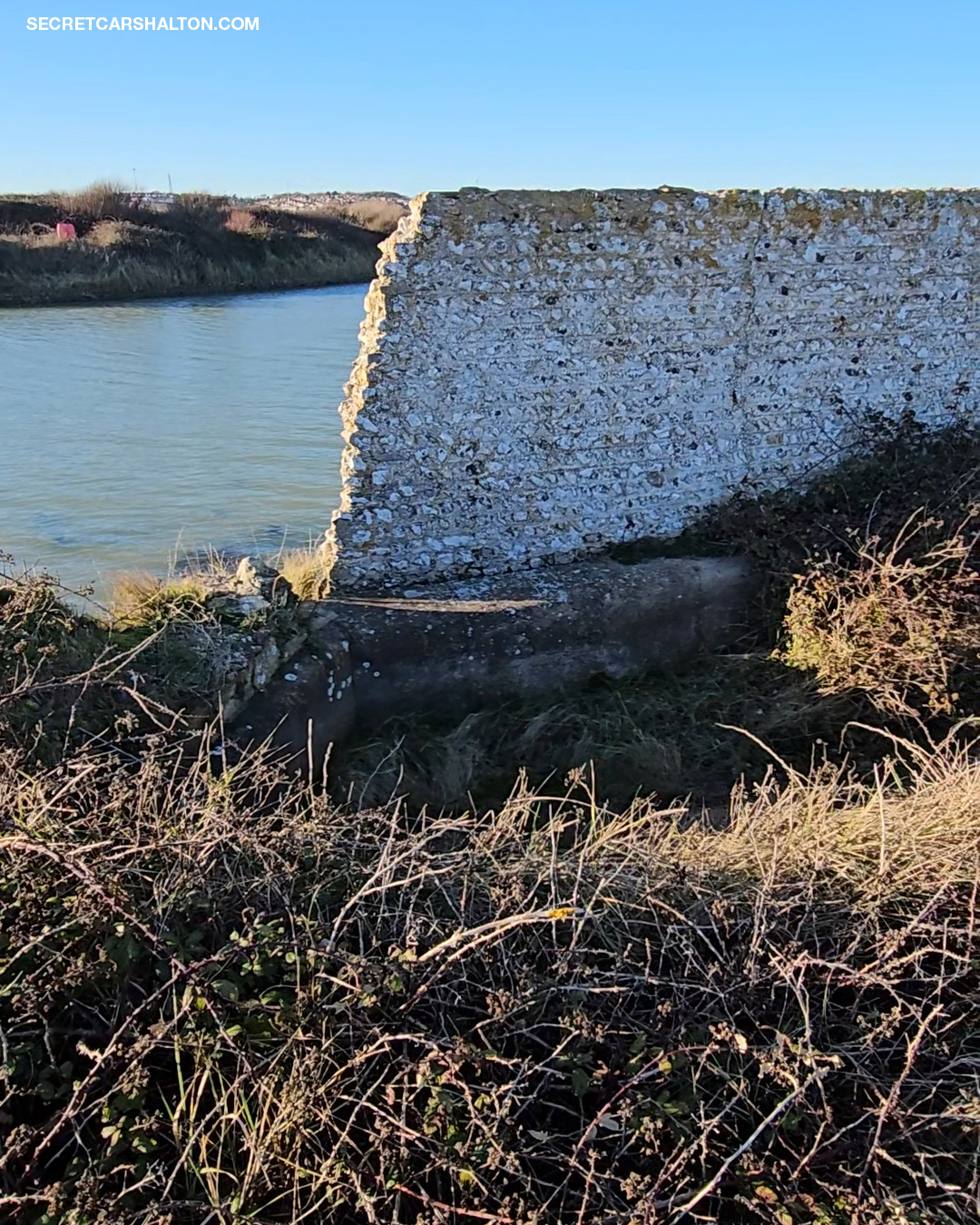
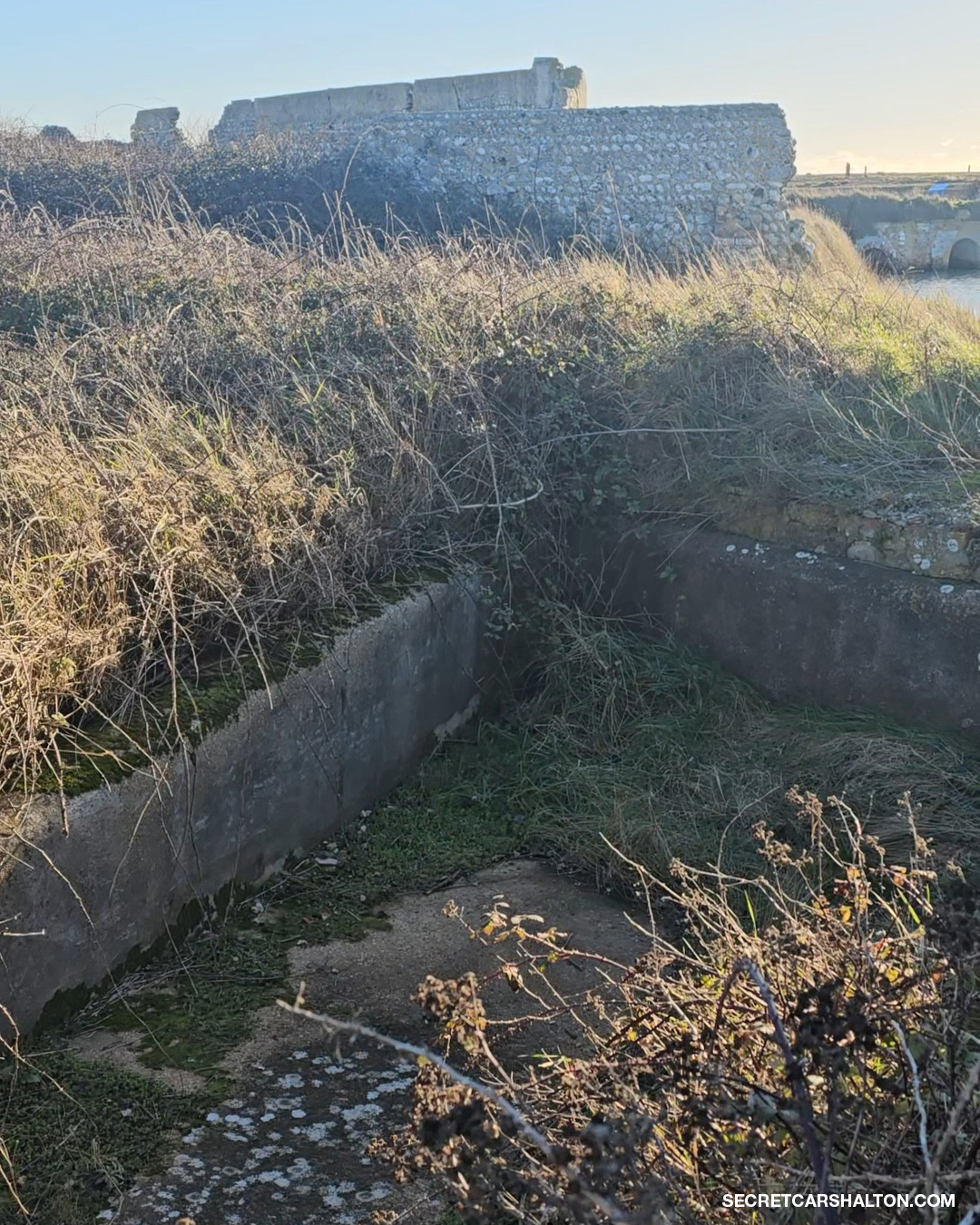
In 1883 the mill closed, unable to compete with modern industrial methods and improved transport links. The mill buildings were demolished in 1901, but the village endured. Walking further, I think about how the site adapted. In the early twentieth century, parts of the area were reused, and during the First World War a hospital was established here, bringing a very different kind of industry — care rather than production — to the shoreline.
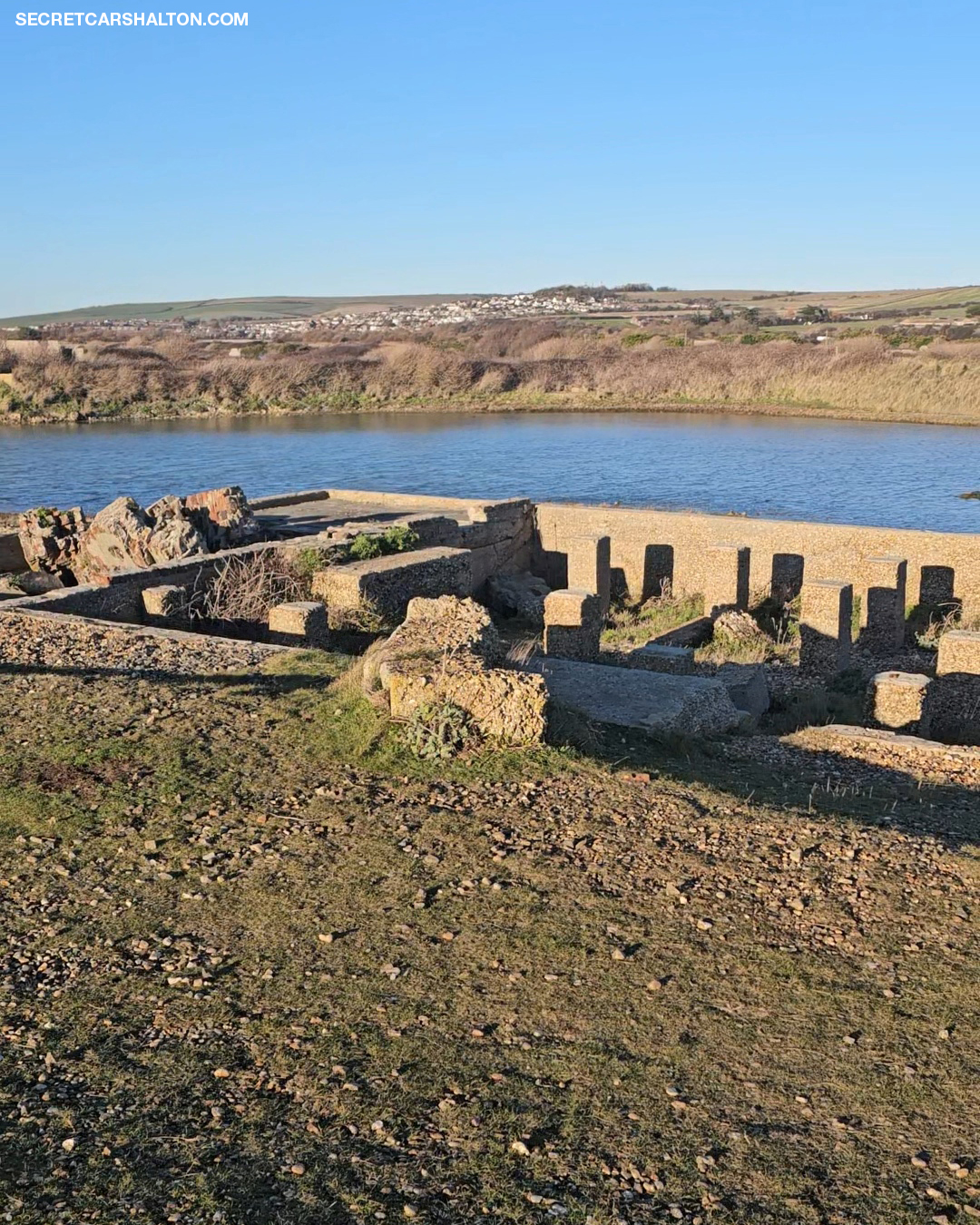
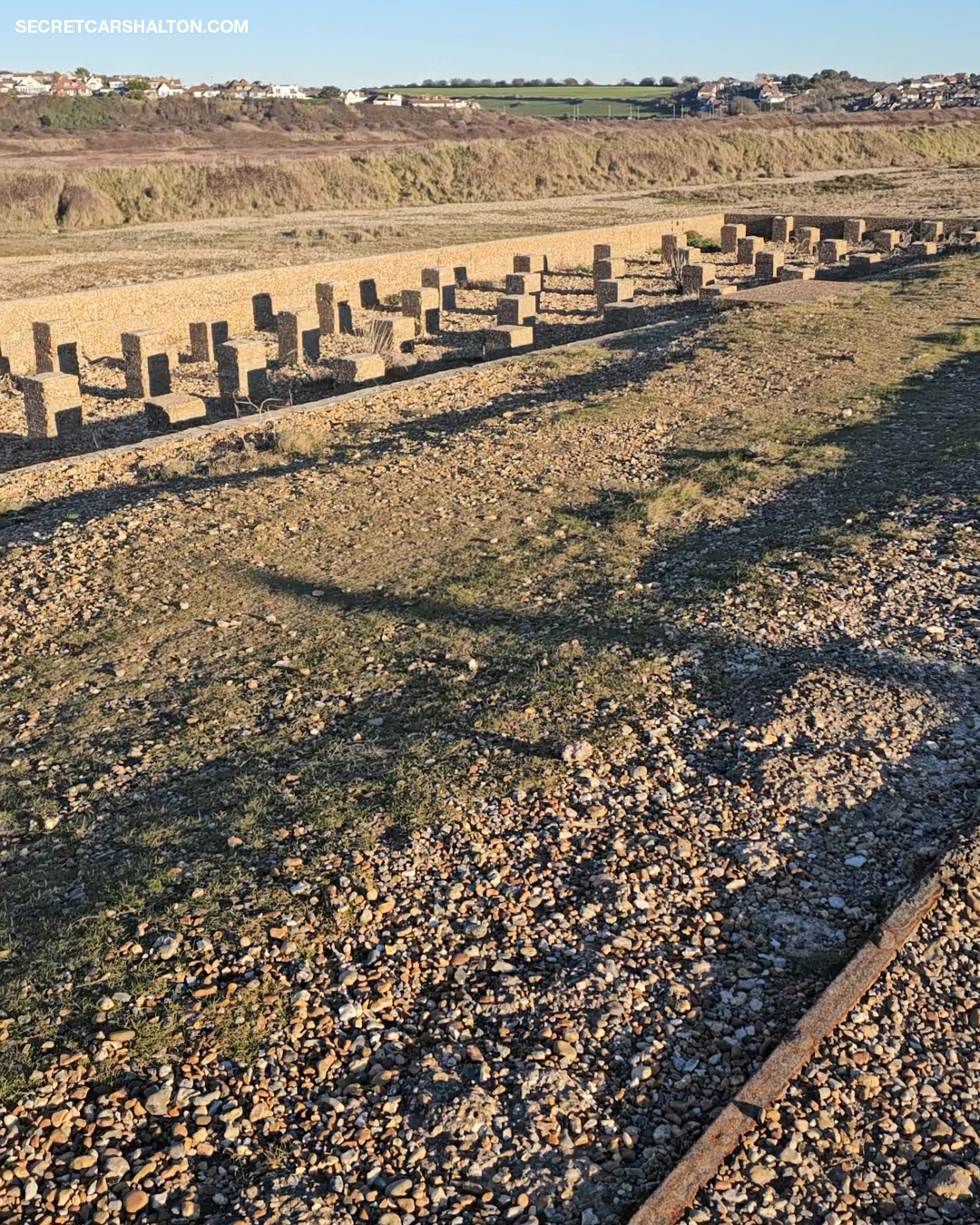
By 1939, the remaining residents were forced to leave when the area was requisitioned for wartime defence. Standing among the broken foundations now, it’s hard to picture families once living within these roofless walls. In 1945, after the war ended, the village’s life finished for good. No one returned to rebuild. The sea, the wind, and the grass reclaimed Tide Mills, leaving only traces of a community shaped by tide and time.
To visit Tide Mills, the easiest way is by car, with a small car park located near the beach access. From Newhaven or Seaford, take local roads toward the coast. If using public transport, the nearest train station is Newhaven Town, about a 20‑minute walk. Follow the coastal path, cross the railway safely at the pedestrian crossing, and continue along the trail to reach the village ruins and open shoreline.